
Microneedling Explained
Articles to compare
Microneedling is a skin procedure that comes up in conversations about scars, texture and uneven tone, and it is easy to confuse with products sold for use at home. The American Society for Dermatologic Surgery describes it, also known as percutaneous collagen induction, as a minimally invasive procedure that involves superficial controlled puncturing of the skin at a set depth with fine needles that create channels in the skin, in a 30-minute office visit with a topical anesthetic. The American Academy of Dermatology says it works by stimulating your body to make collagen, which is why it is also called collagen induction therapy.
Visits, downtime and who should wait
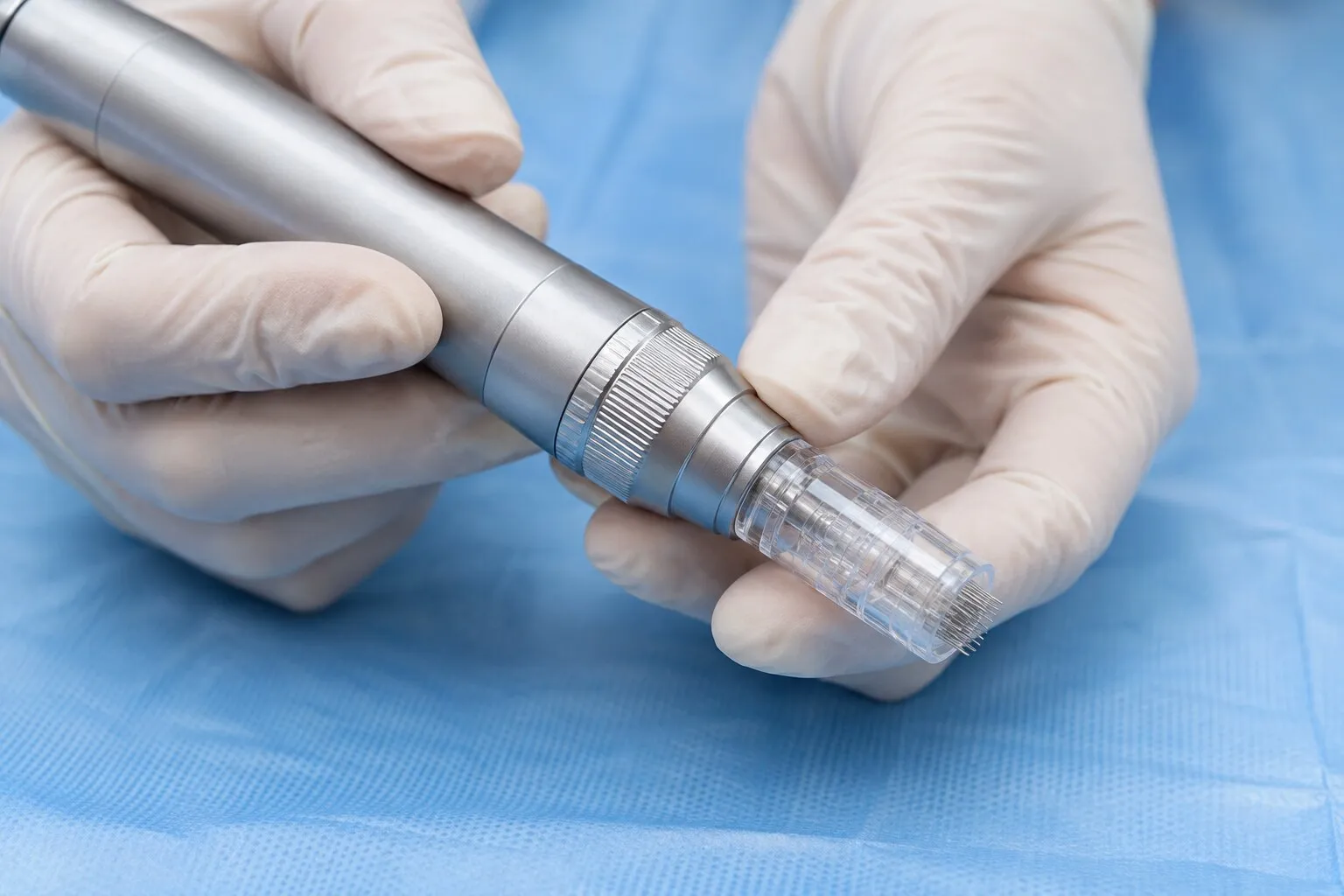
The American Academy of Dermatology lists acne scars, dark spots, large pores, melasma, sagging skin, scars due to surgery or an injury, stretch marks, uneven skin texture and tone, and wrinkles and fine lines among the things dermatologists use microneedling to diminish.
Results are a matter of calendar. The American Society for Dermatologic Surgery says that typically a series of monthly treatments, at least three, is required for optimal results. The American Academy of Dermatology says treated skin may feel like it is sunburned, causing minor discomfort, burning, or swelling, and that these reactions usually disappear in a few days to a week. Hold those two figures against your own schedule before you book the first visit.
The setting matters as well. The American Academy of Dermatology says products sold for at-home microneedling and microneedling performed in a non-medical spa are not meant to puncture the skin, and that these gentler products lead to less noticeable results than you get from a dermatologist.
The American Academy of Dermatology says microneedling is safe for most people and people of all skin tones, but that you should not have it if you heal slowly or poorly, have or had a raised scar called a keloid, have a weakened immune system due to a medical condition or medication, are being treated for skin cancer in the area, or are receiving radiation treatments.
Benefits first, then scars
Two guides go deeper.
- Microneedling Benefits and Results: what the sources describe as the advantages of the procedure, and how results arrive and fade over time.
- Microneedling for Scars and Uneven Tone: how microneedling is described for scars and uneven skin tone, and what to ask a clinician about your own.
The dermatologic surgery society keeps an overview of microneedling, and the dermatology academy has an article titled Microneedling can fade scars, uneven skin tone, and more. Both are worth reading before a consultation.
Timing questions for a clinician
Start with the benefits guide if the procedure is new to you, and go to the scars guide if scarring or uneven tone is your main concern. Take the timing questions to a licensed clinician: how many visits, how far apart, and whether the time of year changes how you plan the days of recovery. Ask also whether anything on the list of reasons to avoid microneedling applies to you.
Nothing above is medical advice. It is general information.