
What Happens During a Filler Treatment
| Sources | Professional societies and health agencies, named in the text |
|---|---|
| Results promised | None |
| Medical advice | None. This is general information |
| Final call | A licensed clinician |
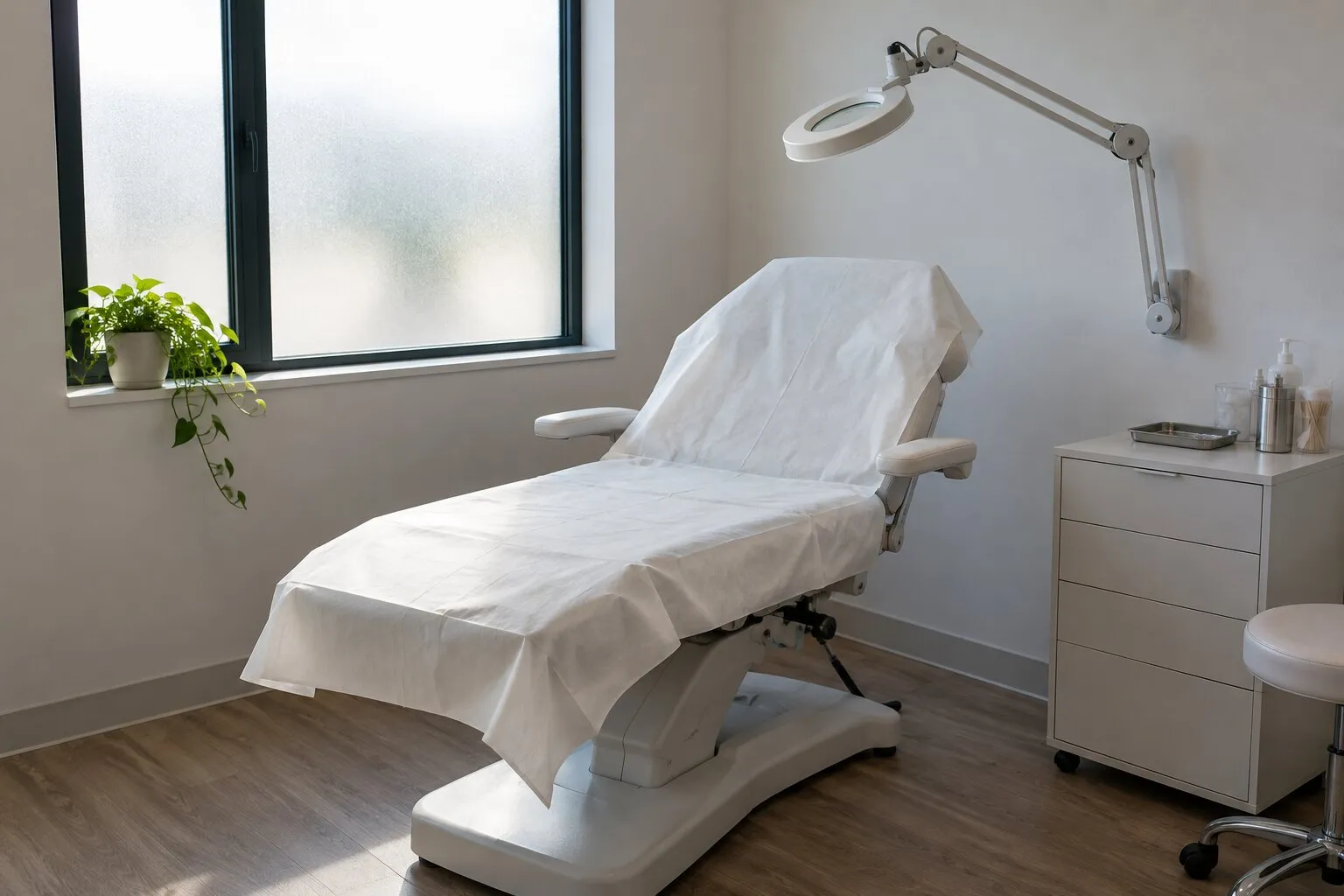
Most of a filler treatment happens before and after the needle: the consultation, the preparation, and the first days when sun and activity are on the list of things to avoid. Seeing the whole sequence makes it easier to fit the visit into a real calendar.
The steps below follow what the American Academy of Dermatology and the American Society for Dermatologic Surgery describe, from the first appointment to the days that follow. The order and details differ with the filler and the area treated, so treat this as a map of what to ask and not as a script for your own visit.
It starts with a consultation
The American Academy of Dermatology says that, to protect your health and find out what results you want, a dermatologist always offers a consultation before injecting a filler. To help you get the most benefit from the appointment, it recommends that you ask questions and gather important information beforehand.
That makes the consultation the right place to bring up timing. Mention upcoming travel, outdoor plans and events, and ask whether the treatment date should move around them. Nothing in these sources ties a particular season to a better or worse result, so the answer should come from your provider and your own situation.
Preparing for the injections
The American Society for Dermatologic Surgery says a dermatologist first reviews the patient's medical history and examines the condition to be treated. It adds that areas to be treated should be kept clean, that treatment needs to be postponed if there is a skin infection until it resolves, and that patients who take blood thinners (such as aspirin, ibuprofen, certain herbal medications) should stop them two weeks before injection with the approval of their prescribing doctor.
The last point is a reason to list everything you take before the visit, including over-the-counter pills and herbal products. Do not stop a medication on your own. The society ties that step to the approval of the prescribing doctor. A plastic surgery society's overview of fillers is another place to read about the treatment before your consultation.
In the room
The American Society for Dermatologic Surgery describes the sequence this way: the physician marks the areas to be injected, topical or injection numbing medication may be used for added comfort, and then the fillers are injected by syringe using very fine needles. It says the effect typically lasts six months to two years.
The American Academy of Dermatology says most filler treatments take between 15 and 30 minutes and require one office visit. It says you may need ice, an anesthetic applied to the skin, or a nerve block (an injection) beforehand, which varies with the filler and the area to be treated, and that hands generally do not need anesthesia while lips often require a nerve block.
The American Academy of Dermatology also says your dermatologist will inject the filler into the area, often giving you several injections to produce the best results, and that you may feel a stinging or burning sensation as the filler is injected.
The numbing question is worth asking in advance. Ask what will be used for your area and what it will feel like, so that nothing about the room comes as a surprise.
Right after the injections
To reduce any redness and swelling from the injections, the American Academy of Dermatology says your dermatologist may recommend icing the area for 15 to 20 minutes before you leave. It adds that before you leave the office, you should be able to apply makeup.
If you have somewhere to be that evening, say so at the consultation. Being able to apply makeup before leaving is what the Academy describes, but ask your provider whether it applies to your treatment area.
The first few days
The American Academy of Dermatology says that after leaving the office you should wait until the next day to exercise or do any other strenuous activity, stay out of the sun and not use a tanning bed or other type of indoor tanning, and avoid touching the treated area for three days unless you receive instructions to massage the area.
This is where season and climate enter the planning. Staying out of the sun is easier to arrange on some weeks than others, and a trip or outdoor event in the first days after treatment is something to raise before you book. Ask your provider exactly how long the instructions apply to you, and get them in writing. Keep them next to a dermatology society's page on dermal fillers, which describes the treatment as a whole.
When the results show
The American Academy of Dermatology says most fillers fill the skin, so they produce immediate or close to immediate results. It adds that a filler can also stimulate your body to produce collagen, but that this takes time.
Immediate results do not mean a finished picture. Ask what you should expect on the day, what will look different as any redness and swelling settle, and when a check-in makes sense.
Putting the visit on your calendar
A filler visit is a consultation, preparation, a short appointment, a quick period of icing and a few days of care. Fitting it in well means asking about each stage early: what to stop beforehand and with whose approval, what numbing will be used, how long the visit runs, what the first days require, and what the calendar looks like around them.
Take those questions to a licensed clinician who has examined you. Their answers, not a general overview, should set your plan.